


Hot or cold prospects? It’s essential for sales reps to understand the difference between these types of prospects, in order to better understand them. Let’s take a look at how to qualify your prospects‘ level of interest and how they function.
What is a cold prospect?
A cold lead is first and foremost a prospect. This is a prospect who is potentially interested in a company, its products or services, but has not yet made a purchase.
He is well identified, and the company often has information about him. However, he hasn’t really expressed any interest and has rarely, if ever, contacted the company.
Cold prospects need to be guarded, and it’s in the company’s interest to pick up on every positive signal they give, so as to be able to contact them when the time is right. The cold prospect will stay away from the company for a long time, expressing little interest in it, then one day take the plunge. If the cold prospect is actively seeking information and wants, for example, to try the company’s product, then he may become a warm prospect. Then it’s the right time for the company and its sales team to contact them.
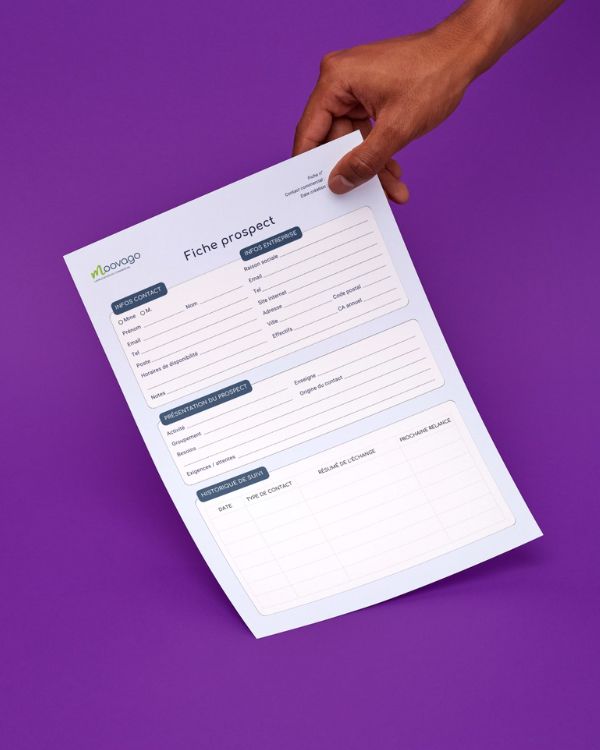
Turn cold prospects into loyal customers
Our prospect sheet guides you in the art of qualifying your contacts and adapting your approach according to the prospect’s temperature.
Learn how to effectively warm up your leads to increase your conversion rate.
What is a hot prospect?
The warm lead, also known as the warm lead or hot lead, is first and foremost a prospect. Compared to the cold lead, they show a strong interest in a company, its products or services.
They’ve shown a definite interest in the company, for example, by following one of your social networks or subscribing to one of your newsletters. They want to know more about the company and what it offers.
He’s much more likely than a cold prospect to become a customer. It’s often prospects like this that sales people look for, because they’re easier to convert into customers.